


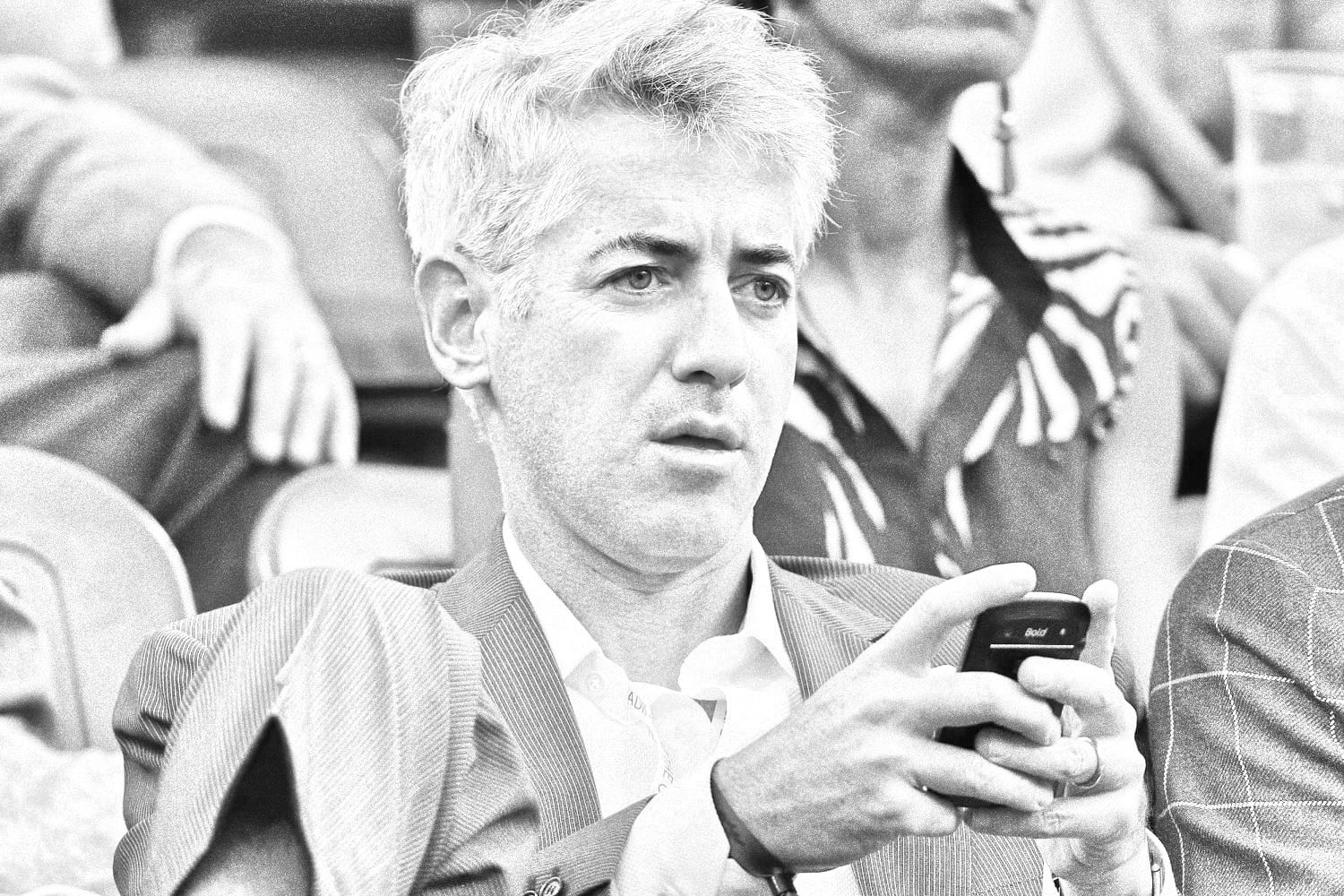
Bill Ackman is what I would classify as a celebrity investor. He controls billions of dollars through his hedge fund, Pershing Square, and his investments have generated gobs of cash, but his celebrity is not necessarily a function of his success. He’s more like Mark Cuban, George Soros, or Peter Thiel—guys whose names we know not for their wealth or accomplishments so much as their preoccupation with media. None of these guys are the Michael Jordan of investing. That’s Warren Buffett, whose net worth is bigger than all of theirs combined. These guys are more like the Savannah Bananas. They like to put on a show.
Ackman would prefer to describe himself as an “activist” investor. He knows he’ll never be remembered as the inventor of an indispensable product or as the founder of a legendary company, so he’s constantly searching for a magic formula that will allow him to transform capital into meaning. He seeks out investment opportunities that require him to be hands-on—narratives that lack for a protagonist. People invest in Pershing Square, his hedge fund, because they believe he will personally be able to unlock value that goes above and beyond what they could access through passive instruments, like index funds.
“I have a view that people become their names,” he once told Reeves Wiedeman in an interview for New York magazine. “Like, I’ve met people named Hamburger that own McDonald’s franchises… my name is Ackman. It’s like ‘Activist Man.’”
In the twenty tens, Ackman tried to live up to his name by short-selling a company called Herbalife into oblivion. You know how guys like Alex Jones leverage the parasocial attachment their online audience has towards them to sell suspicious vitamin supplements? Herbalife is kind of the offline version of that. It’s a multi-level marketing scheme where people frequently go into debt buying medically specious nutritional products from whoever is above them in the pyramid that they hope to sell to their friends and families for a profit. Very nasty stuff.
Ackman believed that the government would step in to crack down on Herbalife, so he took out a massive short position. If the authorities did step in and the companies stock price plummeted as a result, Ackman stood to make outrageous amounts of money. He felt so confident about his bet that he allowed a camera crew to follow him around for a documentary about it called Betting on Zero. Billed in trailers as “the film they don’t want you to see,” it cast Ackman in the role of the hero, waging a virtuous struggle against the forces of evil.
Carl Icahn, an investor who helped to establish the activist playbook while Ackman’s parents were still claiming him as a dependent, witnessed all this moralizing from a distance and became annoyed. He found the idea of a hedge fund manager, of all people, aligning with regulators in order to chastise a successful American business for being “predatory” to be patently ridiculous. In his mind, investors should be trying to keep the government out of the market, not running around on CNBC calling for a crackdown.
If you’re American, I trust you’re already familiar with the tenets of professional wrestling, which is one of our most important art forms. If you’re not, the basic gist is that the fights are theater and every wrestler plays a character that adheres to one of two templates—the “face,” which is the fighter that the audience cheers for, and the “heel,” which is the fighter that the audience is rooting against. Sometimes the heel wins, sometimes the face wins. Over the course of a long career, a wrestler will typically cycle between the two roles several times, executing a “turn” from face to heel or vice versa when their existing gimmick becomes stale. It’s a rejuvenating cycle that sharpens wrestlers’ acting chops and keeps the audience from getting bored.
Carl Icahn understands the necessity of playing the heel. The market, like professional wrestling, is driven by storylines. Investors do have to understand fundamentals, just like wrestlers do have to be athletes with a high tolerance for pain, but those talents don’t matter unless they’re used in the service of a performance that advances a narrative. If you have a pathological need to always be seen as the good guy, you will end up hitting the same story beats over and over again, and the audience will get bored. Ackman’s addiction to virtue signalling put him at odds with the very nature of the business he was in.
Ichan decided to teach Ackman this lesson by assuming the heel role in the Herbalife saga himself. He bought a massive stake in the company, becoming their largest shareholder, and entered the cable news arena personally to defend what Ackman insisted was a “predatory” business model. He made a bet that as long as sharks like Ackman and himself were allowed to operate with impunity, Herbalife would be fine, too. The bet paid off. Icahn’s public support boosted the stock price, turning Ackman’s short position into a massive liability. To add insult to injury, the Obama-era FTC ended up taking a position to Ackman’s right when they declined to agree with his thesis that Herbalife was an illegal pyramid scheme. Pershing Square went on to lose a billion dollars.
The beef reached a fever pitch during a televised debate on CNBC that saw both men calling in to attack the other. Traders on the floor of the New York Stock Exchange hooted and hollered in response to Icahn’s sickest one-liners as if they were sitting in the stands watching a WWE pay-per-view event. “This is Wall Street!” Icahn snarled. “If you want a friend, get a dog.”
Even though he was half-conscious and bleeding all over the mat, the only rational thing for Ackman to do was to continue to play his role. He had already lost the battle for profit, so all that was left was to try and claim the moral high ground. “The big issue about Carl Icahn is that he’s not used to someone standing up to him, particularly a little guy like me,” he stammered. “This is not an honest guy. This is not a guy who keeps his word. This is a guy who takes advantage of little people.”
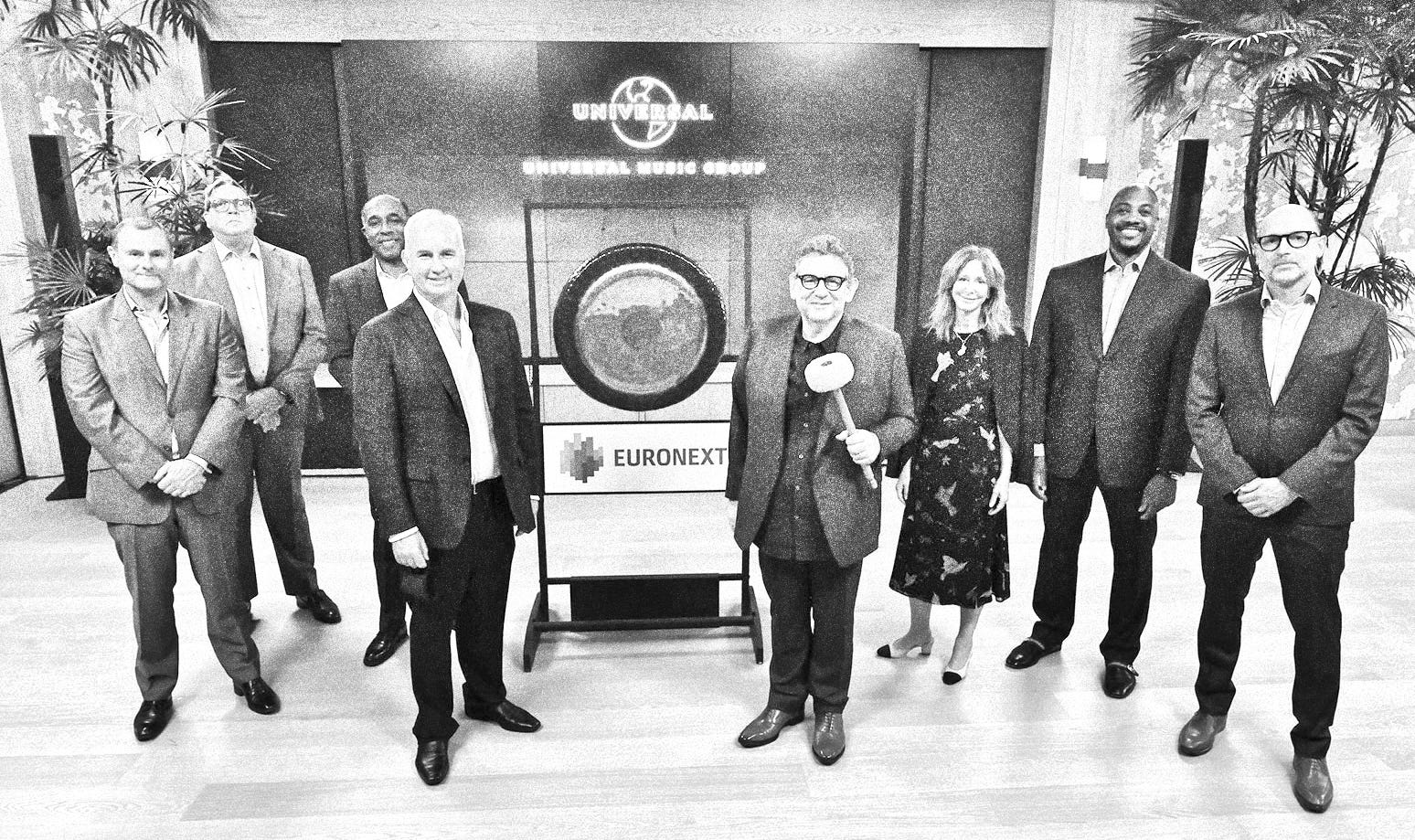
In twenty twenty one, Pershing Square bought ten percent of Universal Music Group. They paid about as much for their stake as it cost Disney to buy Marvel. UMG is the largest of the three major label groups by a significant margin, and they represent about a third of the record industry overall in terms of market share.
Taylor Swift, Drake, Ariana Grande, and The Weeknd all work with Republic, which could be considered UMG’s flagship label. They also own Interscope, whose roster includes Kendrick Lamar, Lady Gaga, Lana Del Rey, Billie Eilish, and Olivio Rodrigo, as well as Island, which is home to Sabrina Carpenter and Chappell Roan. To own ten percent of UMG is to own a sizable chunk of the music industry itself.
Up until about four years ago, you couldn’t just go buy shares in UMG on the open market. Before that, it was always a subsidiary of large multinational conglomerates, where it was just one cog in a vast machine that included countless other companies in wildly divergent industries. Their most recent owner was Vivendi, who acquired them when they bought another conglomerate called Seagram. Vivendi shareholders came to believe that the diversity of the company’s holdings was causing it to be undervalued by the market. Markets are driven by narratives, and the complexity of these big, sprawling enterprises makes it difficult for them to spin up the kind of simple, digestible storylines that can reliably hype up investors.
Making the argument that “AI” is about to unlock infinite growth, for example, is much more difficult if you own too many different kinds of companies that do too many different things. Earnings calls get too long and boring. Analysts have to do too much specialized homework to get the full picture of how the company is doing. Vivendi shareholders wanted a leaner, more focused company that was easier for them to understand. So, the decision was made to take UMG public.
Vivendi sold off a majority of their shares in UMG on the Euronext Stock Exchange, which is based in Amsterdam. For basically the first time ever, the world’s top label group became a standalone, publicly traded, pure-play music company. Once the shares hit the open market, investors jumped at the chance to buy in, boosting the stock price by thirty-six percent in a day. The narrative that UMG’s true value had been obscured by the Vivendi’s enormous corporate sprawl turned out to be exactly the kind of digestible, feel-good storyline that the market loves.
It’s kind of like how video games are typically the most expensive they’ll ever be on release day. Sometimes even a month later, they’ll be available at a deep discount or for free as part of some kind of monthly subscription. In some cases, hype sells more copies than quality ever will. Accordingly, there seems to be a kind of intoxicating new commodity sheen that companies sometimes get when they first hit the market through an Initial Public Offering, or IPO. Investors get carried away in the moment and make bets that are based on FOMO moreso than fundamentals.
Anyway, in this case, UMG’s IPO bump was excellent news for Bill Ackman, because Pershing Square had acquired their ten percent stake in UMG a month before shares became available to the public. The fund’s stake was suddenly worth a billion dollars more, instantly wiping out the black eye that Icahn had given Ackman during the Herbalife debacle. As part of the transaction, Ackman also took a seat on the UMG board of directors, which his investors doubtlessly hoped would allow him to use his trademark activist tactics to drive the stock price up even higher. UMG became Pershing square’s single largest position.
Being part of a conglomerate like Vivendi meant that UMG’s executives answered primarily to a corporate management structure, not to investors. Going public was a big shift on that score, and understanding what that means for music is not exactly an intuitive process. Conversations about influence in music don’t typically revolve around hedge funds or earnings calls. Even basic information like sales data is locked behind onerous paywalls. We don’t really have a framework in place for talking about the impact someone like Ackman might be having.
Nevertheless, when Pershing Square acquired ten percent of UMG, Bill Ackman became one of the most important people in the record business. What does that mean? For him, for UMG, or for music?
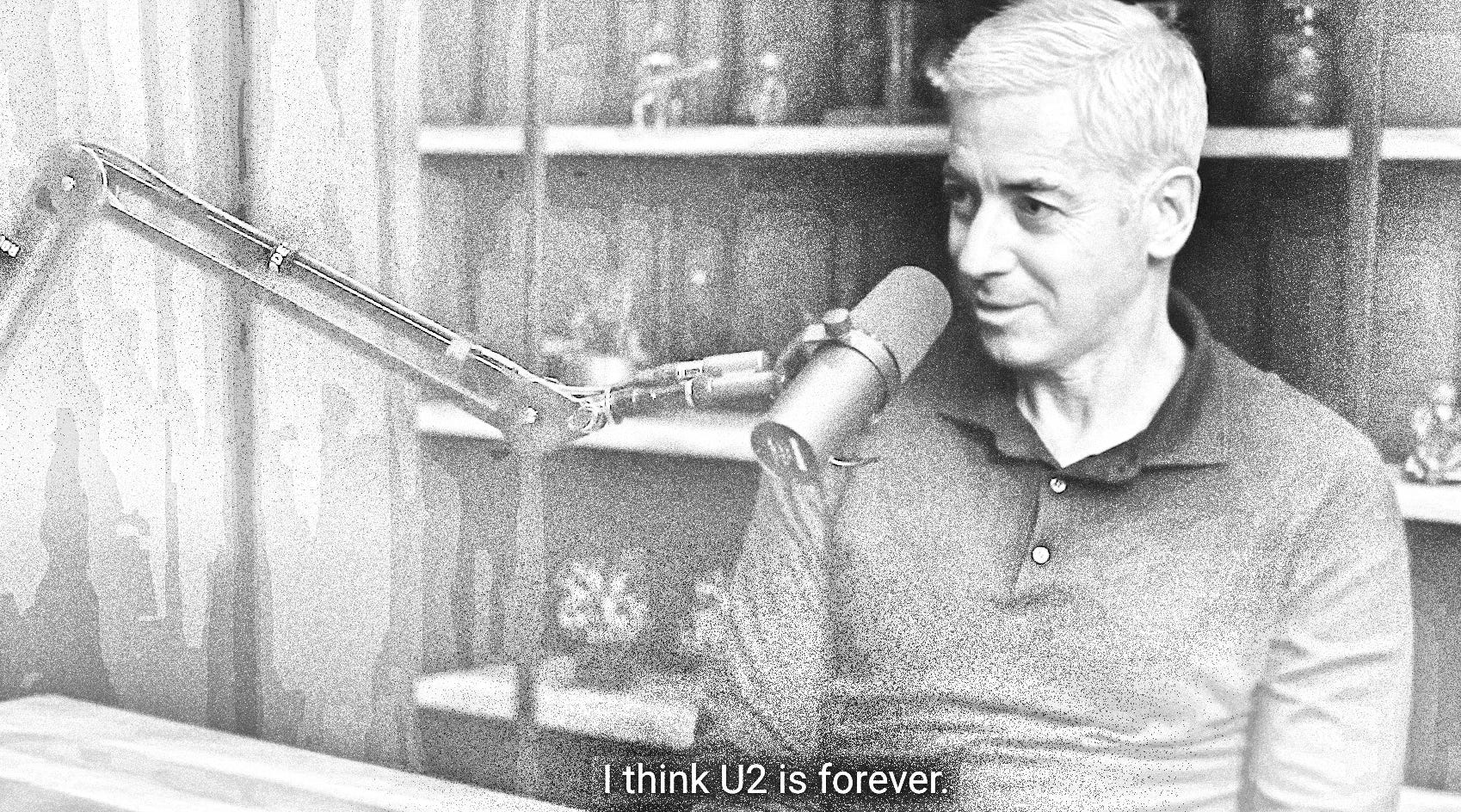
“Forever.”
That’s Ackman’s favorite word to use whenever he talks about UMG. Forever is how long he’s been wanting to own a piece of the company, and forever is how long he says he wants to own it for. He believes that by embracing the streaming model, UMG definitively solved the problems that sent the music industry into recession during the iTunes era. In fact, he thinks UMG’s position is now even more secure than that of the streaming platforms themselves. All things being equal, UMG’s reign now stands to go on, you guessed it, forever.
“I think the Beatles are forever, I think U2 is forever, [and] I think [the] Rolling Stones are forever,” he told podcaster Lex Fridman during an interview. “I can’t envision a world beyond streaming… you may have a Neuralink chip in your head instead of a phone, but … you’re going to want to have an infinite library that you can walk around [with] in your pocket or in your brain. [The form factor] is not going to matter that much. It’s not really important whether it’s Spotify or Apple or Amazon that are the so-called DSPs… I think the value is really going to reside in the content owners, and that’s really the artists and the label.”
If consumers start paying for the privilege of asking ChatGPT to play them Beatles songs instead of subscribing to Spotify, UMG will still get paid. If artists start using music generators like Suno to create the hits of the future, Suno will still have to pay to train their models on UMG’s IP. In order for AI-generated artists to blow up, they will still need record deals—just ask the stakeholders behind this year’s biggest success story, the K-Pop Demon Hunters soundtrack, which will likely serve as an unwitting blueprint for the generative pop stars of the world to come.
It’s a solid thesis! UMG is certainly one of the biggest, most successful protection rackets on Earth. Even the biggest names on YouTube and Twitch live in mortal fear of copyright strikes from the major labels. Your average MrBeast video features million dollar setpieces that are hyper-optimized for engagement down to the last millisecond, and he would have to automatically forfeit all of the revenue he would otherwise be entitled to if he allowed even a few stray seconds of a Jelly Roll song to play during one of them.
Entire channels with subscriber counts that legacy media brands would kill for can be vaporized in an instant if the majors deem it so. That’s why the most popular record reviewer on YouTube doesn’t play any music in his videos. If even all-powerful monopolies like Google and Amazon had to submit, what chance does anyone else have? No future upstart, no matter how innovative or well-funded they are, will be exempt from copyright enforcement. It’s just part of the landscape now. Everyone will have to come to the table eventually.
Is that enough for Pershing Square’s investors, though? People don’t trust Bill Ackman with their money because they’re looking for a safe place to put their money, they do it because they want Bill Activist Man to deliver big returns. They judge hedge fund managers based on how well their fund performs against the broader market. Every Pershing Square earnings call starts with that information because that’s what investors care about.
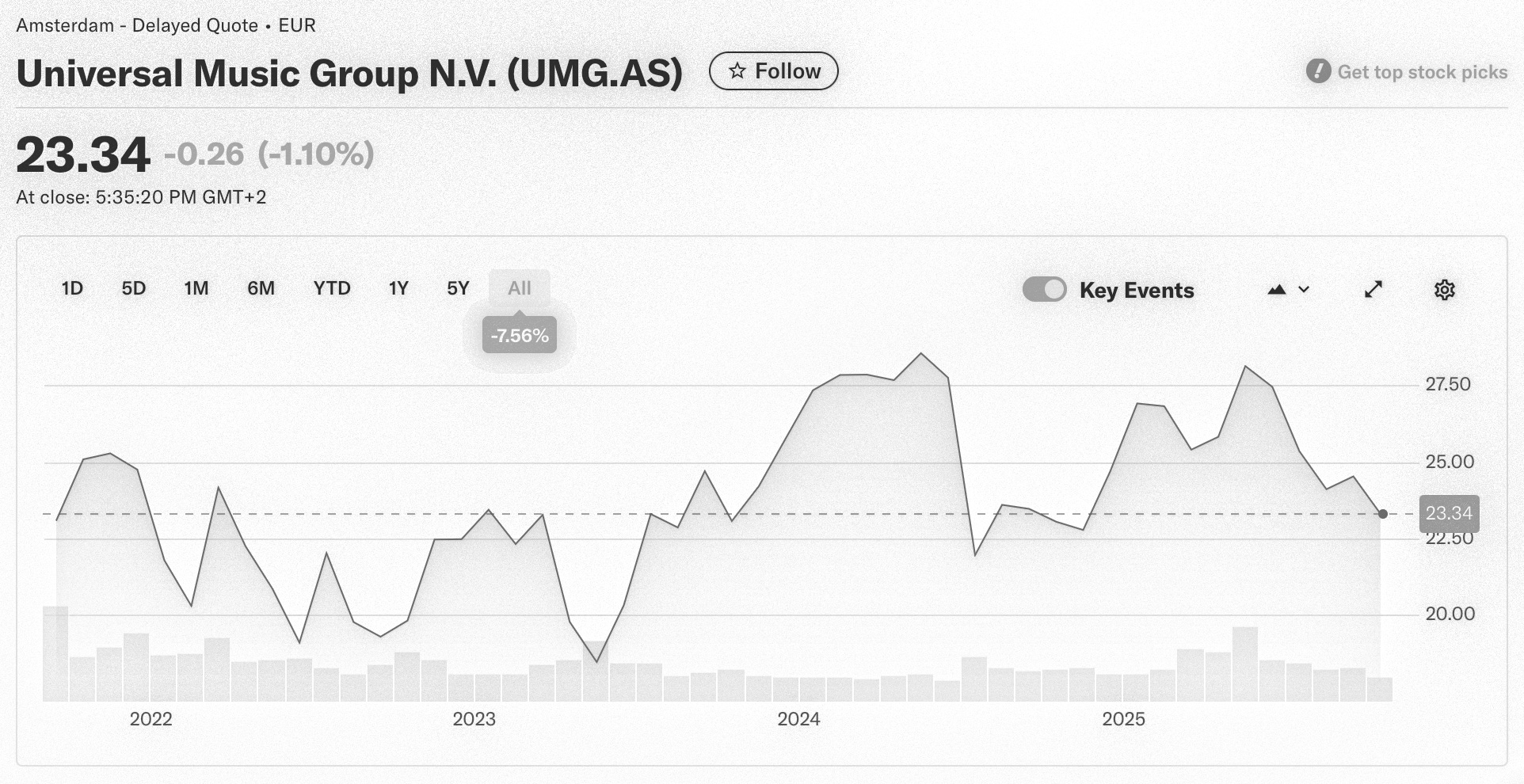
By that standard, UMG was not a good bet. If you had invested a thousand dollars into UMG back in twenty twenty-one, when they went public, you would have less money now than if you’d invested in an index fund like SPY. The broader market is caught up in a white-hot AI boom right now that has been fueling skyrocketing valuations for the tech companies at the top of the index, like NVIDIA and Microsoft. Maybe it’s true that UMG will be able to weather whatever disruptions this boom ultimately causes, but that’s not what investors care about right now. They want exposure to the upside, not just protection from the downsides.
The story Ackman tells to justify his UMG position is just like the one he used to tell about Herbalife. Yes, it’s true that Herbalife is a pyramid scheme, just like it’s true that UMG’s post-streaming business model looks very solid. It’s probably true that Carl Icahn takes advantage of the little guy, just like it’s probably true that demand for classic recordings from the vinyl era will outlive us all. How much does he really care about any of this stuff, though? Does it actually matter to him, or does he just say it because it sounds good?
The reality is that UMG has been dead weight dragging down Pershing Square’s performance from basically the moment they first acquired it. Yes, there was an IPO boost, but those gains disappeared after the hype wore off. In May of twenty twenty-three, the share price plunged so drastically that it started selling for the discount rate Ackman had picked his stake up for in the first place. If he had immediately sold off his shares the second they went public, he’d have made a tidy profit. That’s not the commitment he made, though. The word he kept using was “forever.” Forever? Forever ever? Forever ever?

In twenty twenty, the U.S. Federal Reserve lowered interest rates in an attempt to mitigate the impact of the COVID-19 pandemic on the economy. It was a temporary return to the low interest rate environment of the twenty tens, and no one was sure how long it was going to last. One consequence was a boom in Special Purpose Acquisition Companies, or “SPACs.”
We’ve established that narratives drive the market, and that hype, like the kind of excitement you see when shares of a company become available to the public for the first time, can drive up valuations much farther than fundamentals alone could ever manage. The problem with that is that it takes a long time to organize an IPO. There’s a lot of paperwork involved, regulatory hurdles that need to be overcome. In twenty twenty, investors didn’t have time to wait around for legitimate new opportunities to come around. They knew that for the rest of their natural lives, it might never be as easy to borrow money as it was at that particular moment in time. They needed hype immediately, not in twelve to eighteen months.
You can think of a SPAC as being like a Kickstarter for people who get as riled up over mergers and acquisitions as actual Kickstarter users get over tabletop role-playing games. It’s a company that raises a bunch of money for the sole purpose of using it to go acquire some other company. Buying a share in a SPAC is kind of like pre-ordering an IPO. You can cancel the purchase and get a refund if you get cold feet before “release day,” when the deal closes, but if you stay in for the long haul, you might see a big return. The SPAC boom happened because there was vastly more demand for hype than the existing economy could meet. Material reality couldn’t produce the kind of narratives the market was looking for, so investors started manufacturing them out of thin air.
Bill Ackman’s SPAC was called Pershing Square Tontine Holdings. It raised four billion dollars, which made it the biggest SPAC of the pandemic-era boom. The next-biggest one was only half the size. PSTH was effectively Bill Ackman leveraging the strength of his brand as a celebrity investor to create the SPAC to end all SPACs.
Remember when a bunch of crypto people raised millions of dollars to buy a book of concept art for Alejandro Jodorowsky’s unmade Dune film? Remember how many of them were apparently unaware that doing this would not confer upon them any actual ownership of the Dune IP itself, which would have been necessary to adapt or monetize the book’s contents in any meaningful way? Remember how they all seemed to be investing their money into their own fantasies, rather than anything that actually existed in the material world?
That’s the kind of energy that PSTH had. Bill Ackman looked out upon the blighted landscape of low interest rates, stimulus checks, and pandemic-driven uncertainty that brought about the SPAC boom and saw a fairy tale in need of a handsome prince. He swooped in promising to bring investors’ wildest IPO fantasies into reality. They whipped themselves up into a frenzy speculating about which company PSTH would ultimately acquire. Would it be Stripe? Airbnb? Bloomberg? Starlink? Chick-fil-A? They sorted themselves into little miniature fanbases on Reddit, arguing about whose fave was the best like pop stans or people who get really emotionally invested in presidential primaries a year before the Iowa caucuses.
It didn’t work out. In June of twenty twenty-one, after months of trying and failing to find a compelling target, Ackman announced that PSTH would spend four billion dollars to acquire ten percent of Universal Music Group. I would say investors’ disappointment was immeasurable, but since we’re talking finance, it is actually extremely possible to measure disappointment. PSTH shares went down fifteen percent and never recovered. UMG was a boring legacy business, not the “unicorn” that everyone had been hoping for. It had the feel of a backup option that Ackman had only settled on out of necessity after several other, more compelling deals had fallen through. An anticlimax of epic proportions.
But that wasn’t even the worst of it. It turned out that the deal Ackman had worked out wasn’t even legal. He tried to incorporate a bunch of special conditions that would allow the SPAC to keep going after the acquisition, as if the UMG deal was just the prequel to some other, grander scheme that true believers could stay on the hook for. The SEC, which had already expressed skepticism about the SPAC boom after Biden took office some months before, started asking tough questions about the deal structure, and Ackman folded under the pressure. The deal fell apart.
Ackman tried to find another target for the SPAC, but couldn’t, and was eventually left with no option but to dissolve it and refund investors’ money. His main fund stepped in to complete the deal with Vivendi, as per the terms of the deal, putting Pershing Square on the hook for a huge stake in a company it was never supposed to own. After UMG’s IPO boost wore off, the pressure was on. His single largest position was now an albatross around his neck. He needed to find a way to make big moves to compensate for UMG’s sluggish growth.
His first instinct was to try to SPAC gambit again, but even bigger. He contrived a new type of investment vehicle called a SPARC that was supposed to be super-sized and even less conventional, but the SEC slow-walked the approval process, and by the time he got the green light, interest rates had risen and the economic conditions that caused the SPAC boom had cooled off.
Again, regulators had blocked him. They had humiliated him back when they investigated Valeant, a pharmaceutical company Ackman sat on the board of, for price-gouging. They humbled him even further when they declined to shut down Herbalife, turning his high-profile short position into a ten-figure liability. Finally, they picked apart his SPAC ambitions and waited years to approve his attempt to save face by pivoting to a SPARC. From his perspective, what other choice did he have but to accept that Carl Icahn had been right all along? Regulators were the enemy.
Ackman’s desire to be seen as a hero and his obligation to Pershing Square shareholders kept coming into conflict with one another. He needed to bring them into alignment somehow. He needed a looser, more permissive regulatory environment in order to make the kind of moves that would be necessary to get out of the hole he was in, but he needed to find a way to push for that in a way that looked righteous and consistent with his brand. He needed to move to the right without feeling like he was giving up the moral high ground.
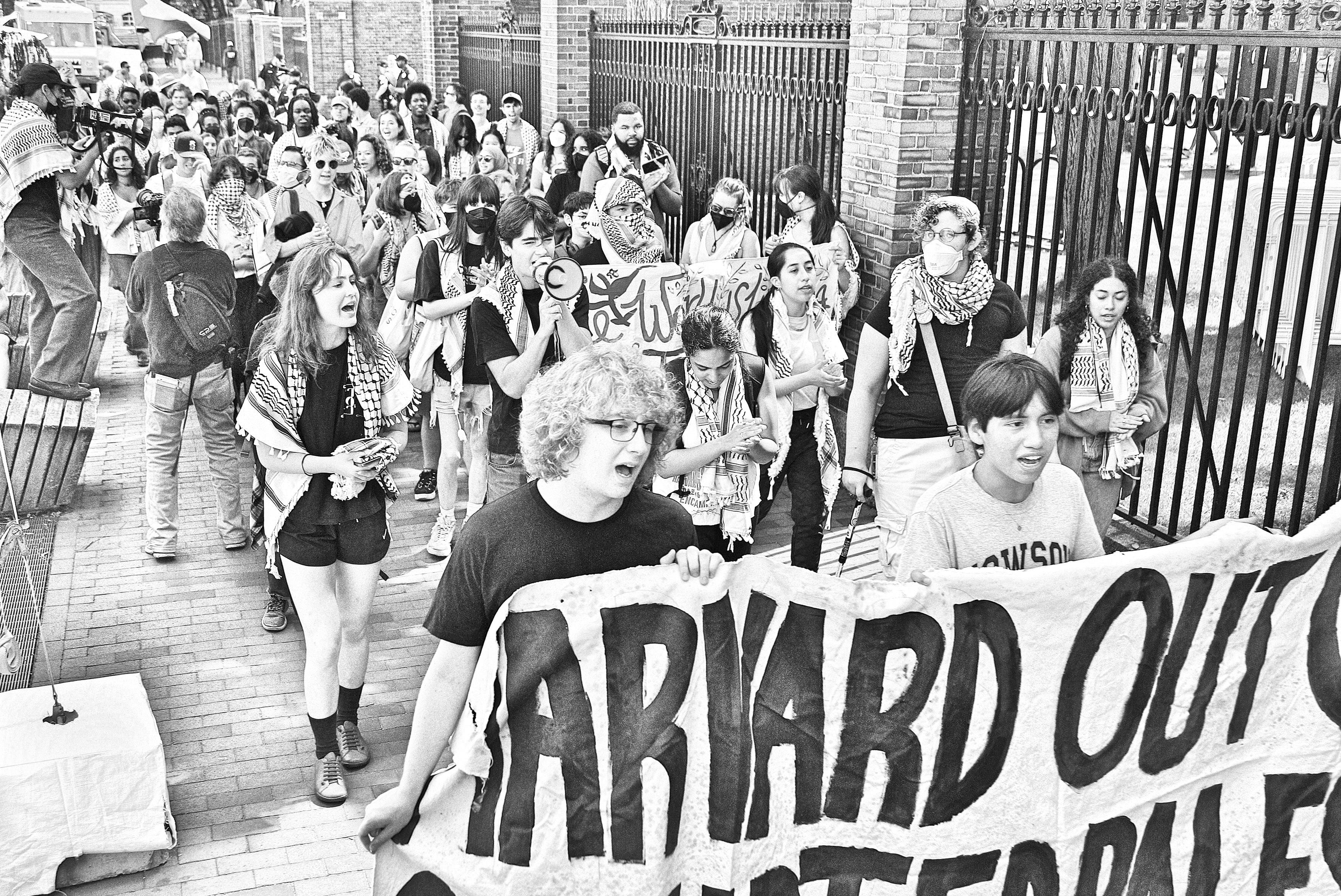
On the seventh of October, twenty twenty-three, a coalition of Palestinian militant groups led by Hamas executed a coordinated surprise attack on Israeli farms and military installations near the Gaza border. Hours later, in anticipation of Israel’s imminent counterattack, the Harvard Undergraduate Palestine Solidarity Committee, along with thirty-three other student groups, released a statement declaring that “we, the undersigned student organizations, hold the Israeli regime entirely responsible for all unfolding violence.”
“Today’s events did not occur in a vacuum,” the statement continued. “For the last two decades, millions of Palestinians in Gaza have been forced to live in an open-air prison. Israeli officials promise to ‘open the gates of hell,’ and the massacres in Gaza have already commenced. Palestinians in Gaza have no shelters for refuge and nowhere to escape. In the coming days, Palestinians will be forced to bear the full brunt of Israel’s violence. The apartheid regime is the only one to blame.”
The statement helped kick off what would go on to become a prolonged campaign of student activism in support of Palestinians on campuses across the country. Given that even the left flank of the Democratic party remained steadfastly committed to Israel during this period, student protests and encampments were some of the most visible examples of pro-Palestine activism anywhere in the United States. Thus, students swiftly became the target of intense backlash from pro-Israel faculty and alumni, the mainstream media, and eventually the government itself.
We have established that Bill Ackman had been repeatedly humiliated by regulators throughout his career. We have established that his comically large stake in UMG, which Pershing Square wouldn’t even have owned if not for regulatory scrutiny backing him into a corner, was putting serious pressure on him to make big moves in twenty twenty-three. He clearly had a very strong incentive to push for a looser, more permissive regulatory environment. That is to say, he had every reason to want a conservative in the White House.
Though Ackman was a lifelong New York resident with a history of donating to Democratic political campaigns, he had been courting Republican presidential candidates like Vivek Ramaswamy and Doug Burgum even before October seventh. These efforts were misguided. He didn’t really understand the changes that the Republican Party was going through. He saw that Trump was dominating other primary candidates in the polls and thought he was looking at a fairy tale in need of a handsome prince. He didn’t realize that he had walked into a DreamWorks picture, not a Disney movie. The handsome prince is usually the villain now. People prefer to root for the ogre.
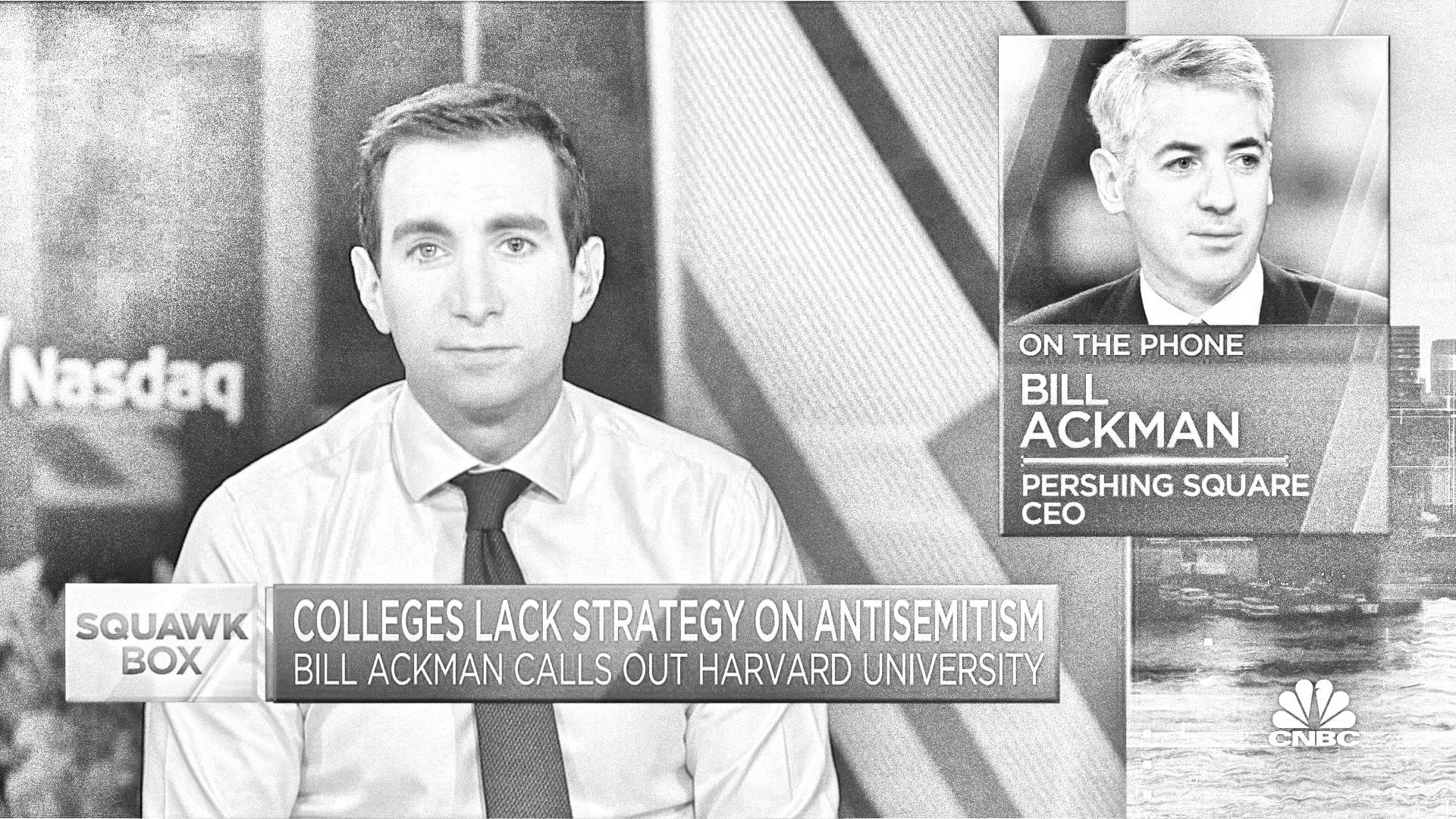
As arguments about whether or not pro-Palestine activism constituted antisemitism exploded onto his Twitter timeline, though Ackman saw in them the makings of his favorite kind of problem: one that he alone was uniquely suited to solve. He was a Harvard graduate twice over, as well as a big-ticket donor. He already viewed the university as if it were a company he had invested in, and he viewed the Palestine Solidarity Committee’s statement as a golden opportunity to jump in and put his trademark activist tactics to work. He already had a long list of contacts and a wealth of institutional credibility. He knew exactly who to call and where to apply pressure. This was an arena where he could score actual wins, not just limp handshake agreements from low-polling GOP candidates who were destined to get crushed by the Trump campaign.
So, he sprang into action, calling for members of the PSC and the other groups that signed the statement to be publicly identified and blacklisted from future employment. He criticized Harvard president Claudine Gay for failing to condemn the PSC to his satisfaction and led a campaign to have her removed from her position, which eventually succeeded when she resigned from her post in January of twenty twenty-four. Rather than celebrate his accomplishment, Ackman decided to use the moment as an opportunity to formally enlist in the wider culture war on the side of conservatives. He posted a sprawling essay to Twitter declaring that the campus antisemitism he had been crusading against was in fact just a symptom of a deeper problem.
“I came to learn that the root cause of antisemitism at Harvard was an ideology,” he wrote. “The more I learned, the more concerned I became, and the more ignorant I realized I had been about DEI, a powerful movement that has not only pervaded Harvard, but the educational system at large. I came to understand that Diversity, Equity, and Inclusion was not what I had naively thought these words meant.”
Ackman claimed to be shocked to learn that “under DEI, one’s degree of oppression is determined based upon where one resides on a so-called intersectional pyramid of oppression where whites, Jews, and Asians are deemed oppressors, and a subset of people of color, LGBTQ people, and/or women are deemed to be oppressed.” In reality, though, he had been critical of diversity initiatives in academia for the entirety of his adult life. His undergraduate thesis, in fact, was explicitly about this exact thing. Entitled Scaling the Ivy Wall: The Jewish and Asian American Experience in Harvard Admissions, it made the argument that during the eighties, Harvard was effectively discriminating against Asian-American applicants by prioritizing prospective students who were Black, Latino, or indigenous in the name of diversity.
Here’s an excerpt:
Why does Harvard feel compelled to admit minorities? It appears that Harvard is more concerned with the campus mosaic than with what the colors of the campus spectrum actually represent. Considering the original intentions of Affirmative Action and other such programs to admit the societally disadvantaged, Harvard’s policies do not seem to be directed to confirm the spirit of such legislation. Many of the minorities on campus are not disadvantaged, coming from affluent and educated families, yet (with the exception of Asian Americans) receive special treatment or ‘tips’ in admissions. If Harvard were truly concerned with the disadvantaged student, rather than with its desire to maintain a positive public image for the media, we would see recruitment of more students from disadvantaged backgrounds regardless of their color. Why is there no recruitment for disadvantaged Poles, Italians, and underprivileged Jews for that matter? Whose definition of diversity is Harvard applying?
In no way was Bill Ackman “ignorant” or “naïve” about this issue prior to twenty twenty-three. The idea that diversity initiatives were ruining Harvard had been a pet fixation of his for forty years. He had been thinking about it for forty years, whispering about it conspiratorially to other wealthy alumni whenever he had the opportunity. What changed was not his heart or his understanding but the incentives guiding his actions. Re-inventing himself in the public eye as an anti-DEI culture war crusader was a way of currying favor with the right-wing activists and politicians whose support he needed to get his business back on track.
He had been looking for an opportunity to do this well before October seventh. Israel gave him the opening he had been looking for, and he has been nothing if not grateful. He has organized a screening of an IDF-produced propaganda film, and he participated in back-channel efforts to pressure New York City mayor Eric Adams into sending the NYPD to crack down on student protests at Columbia University, gleefully serving as one of Israel’s most visible cheerleaders as they starved Palestinians and bombed Gaza into dust. In fact, he even made a significant investment in the Tel Aviv Stock Exchange, which he described as a “royalty” on the growth of the nation itself, ensuring that he would benefit financially as Israel recovered. He experienced success applying his activist tactics to a university, so for his next trick, he decided to try it with an entire country.
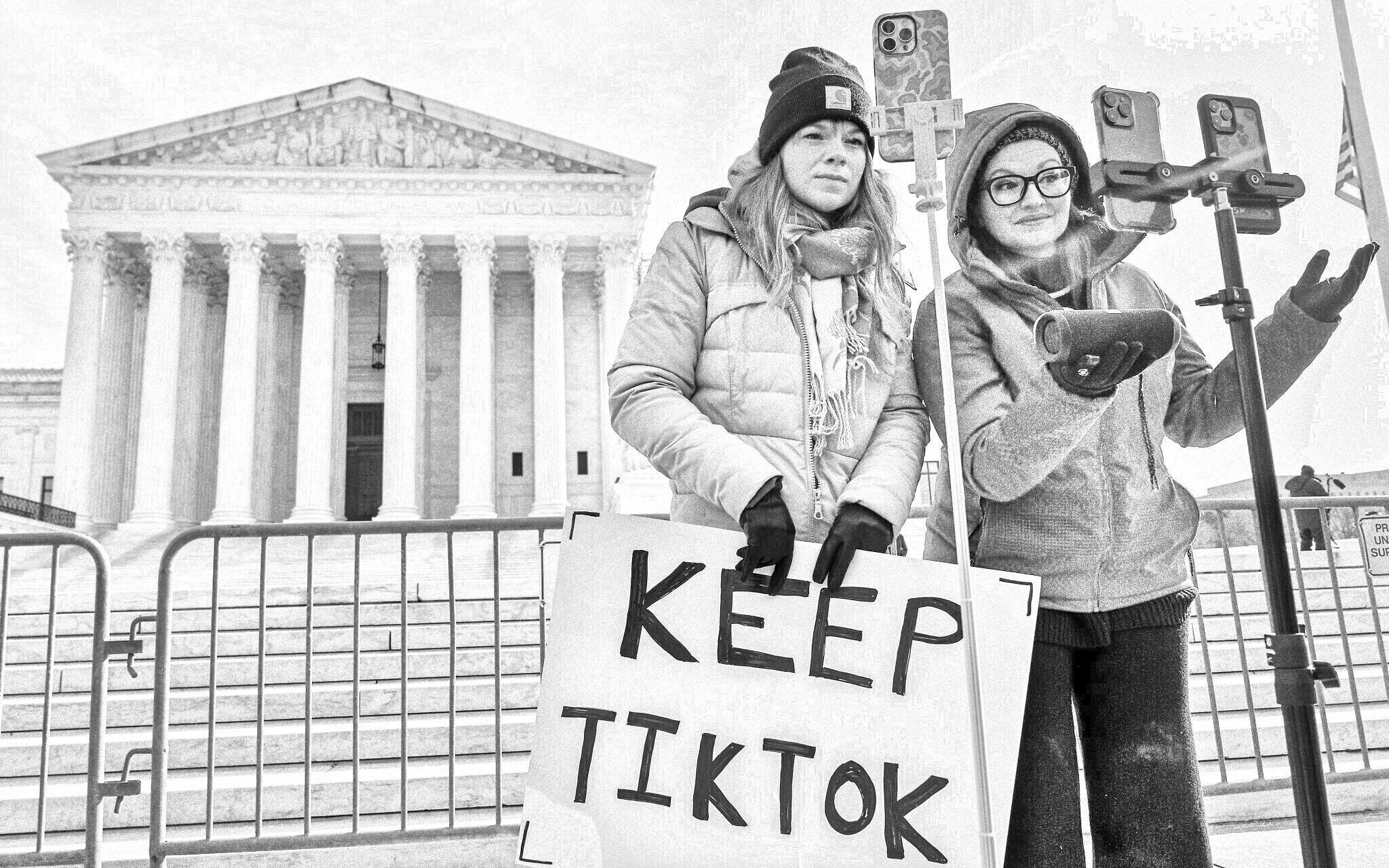
In late twenty twenty-three, less than a month after October seventh, Ackman posted a tweet suggesting that TikTok “should probably be banned” on the basis of the idea that it was “massively manipulating public opinion.” He claimed that “fifty-one percent of the TikTok generation” believed that “Hamas’ barbaric actions are justified,” apparently referring to a recent Harvard Caps/Harris poll. “A foreign government should not be in control of the minds of our next generation,” he continued. If we don’t fix this soon, humanity is on a rapid path to oblivion, and it will be too late.”
For years, China hawks on both sides of the aisle had been singing a similar tune, trying to paint TikTok as a national security threat with little success. A lot of people in government and finance seem to like the idea of a conflict with China, but the reality of what that would look like tends to be less appealing. They make all of our stuff. In June of twenty twenty-three, the CEO of Raytheon, Greg Hayes, told investors that the company had “several thousand suppliers” in China and that “decoupling” would be impossible.
“Think about the five hundred billion dollars in trade that goes from China to the US every year,” he continued. “More than ninety-five percent of rare earth minerals or metals come from, or are processed in, China. There is no alternative. If we had to pull out of China, it would take us many many years to re-establish that capacity either domestically or in other friendly companies.”
Raytheon is, of course, one of the top five biggest U.S. defense contractors. They make the Patriot missiles that the U.S. military would surely need mass quantities of if we ever entered a hot war of any kind with China. Well, technically, I guess it’s their suppliers within China that are making them. That’s why the reality on the ground in America is overflowing with Labubus, Shein, Temu, and Genshin Impact addiction even though a startlingly high percentage of our elected officials like to go around labeling China as our great global adversary.
As far as TikTok goes, though, the political calculus changed once Israel got involved. According to a State Department memo obtained by NPR last year, Israel believed that student protests like the ones Ackman had been crusading against were the direct result of Chinese efforts to manipulate zoomers via TikTok’s FYP algorithm. Ken Klippenstein has more details:
Back in March, a State Department source told me about a bizarre instance in which a high-ranking Israeli diplomat blamed American youth opposition to the Israel-Hamas war on TikTok’s algorithm, which he insisted was biased in favor of the Palestinians. My source was baffled at the inability of leaders to believe young people have the agency to hold their own beliefs and their arrogant assumption that they’re merely vessels for other people’s ideas.
In January of last year, a few months after Ackman first called for a ban, Universal Music Group announced their intention to let their current licensing deal with TikTok expire, which would effectively remove all UMG-owned music from the platform. The move sent shockwaves throughout the industry, confounding even many of the label’s most high-profile artists. Up until that point, labels had seemed frustratingly preoccupied with TikTok virality as a promotional strategy, leading many artists to complain that they were being forced to put more effort into making social media posts than making records.
“I think it’s ass backwards and at the very least we should have known,” Jack Antonoff told reporters when asked for an opinion on the ban in the press room at the Grammys. “You got a whole industry being like ‘you’ve got to do everything; you’ve got to do everything, and here’s where you’ve got to do it,’ and then one day it’s like, ‘Poof!’”
In an “open letter to the artist and songwriter community” to which Antonoff belongs, UMG claimed the boycott was happening for financial reasons. However valuable TikTok might be from a marketing perspective, the letter claimed that royalties generated from the platform only accounted for one percent of UMG’s total revenue, compared to the four or five percent that comes from YouTube. The implication was that this number had to get bigger in order for music by UMG artists to return to TikTok.
In March of last year, Wisconsin congressman Mike Gallagher introduced the Protecting Americans from Foreign Adversary Controlled Applications Act, or PAFACA, which would force TikTok to suspend U.S. operations unless the their parent company ByteDance sold it to a new American owner. Gallagher, who now works for Palantir, had been trying to pass a TikTok ban since twenty twenty-two, but his efforts never really gained traction until Israel took interest in the platform. Speaking to colleagues at the Munich Security Conference earlier this year, he was emphatic about what a game changer this was.
“We had a bipartisan consensus,” he said. “We had the executive branch, but the bill was stilll dead until October seventh. And people started seeing a bunch of anti-Semitic content on the platform and our bill had legs again.”
Speaking at the McCain institute in May of last year, Utah Senator Mitt Romney also indicated that PAFACA’s actual goal was to suppress criticism of Israel, not to protect American citizens from Chinese surveillance. “Some wonder why there was such overwhelming support for us to shut down potentially TikTok or other entities of that nature,” he said. “If you look at the postings on TikTok and the number of mentions of Palestinians, relative to other social media sites — it’s overwhelmingly so among TikTok broadcasts.”
The Israeli government apparently believed that TikTok was a serious problem for them, particularly with young people. They saw it as a kind of dark mirror of their own capacity for narrative warfare, assuming that if their own top-down efforts to control public opinion were failing, the only possible explanation could be another top-down operation running counter to theirs. Mike Gallagher’s TikTok ban, therefore, was an instrument perfectly suited to their purposes. It would take the other player off the field and allow them to re-assert dominance.
Gallagher’s bill, which he said had been “dead” prior to October seventh, easily sailed through committee and landed on Biden’s desk in April, where he happily signed it into law. Though Trump repeatedly delayed the ban until a divestment deal could be worked out, Israel effectively got everything they wanted. TikTok went on to appoint Erica Mindel, a former member of the IDF, as “Public Policy Manager of Hate Speech,” and ByteDance eventually agreed to sell a majority of the company to a group of American investors led by Larry Ellison, who is the single biggest private donor to the IDF in the world.
A week after PAFACA became law, Universal Music Group announced a new licensing deal with TikTok that allowed all of their artists’ music to return to the platform. The boycott had been a risky, hardline tactic that had shocked both industry observers and the label’s own artists. What did it accomplish? Was TikTok going to start paying more royalties? Were they going to start ponying up more than one percent of UMG’s total annual revenue? That’s the question that analysts repeatedly posed during the next UMG earnings call.
After executives had already tried to dodge the question once, Lisa Ying from Goldman Sachs pressed them for a specific number. “Just to come back on TikTok,” “You did say that last year, they were paying one percent of revenue… so, could you maybe just confirm without revealing the exact number that we are above that one percent? Like, maybe two percent or three percent or more?”
UMG Executive VP Boyd Muir refused to give a straight answer, even after being prompted multiple times. This suggests TikTok didn’t end up giving Universal anything they weren’t already inclined to before the boycott began. The major labels have become completely dependent on the platform, which meant ByteDance had all the leverage regardless of how long UMG stayed away from the bargaining table.
For decades, these labels were not public companies. The internal politics of the conglomerates that owned them were opaque even to investors. Trying to gauge the impact of industry consolidation or the influence of any single player on the board was difficult because everything looked fuzzier through the prism of a sprawling multinational’s org chart. Things have changed. UMG is driven by a different set of incentives now, so understanding requires a different set of questions than we’re used to asking. One of them is “what does Bill Ackman want with Universal Music Group?”
The answer, of course, is that he wants a return on his investment. Financially speaking, UMG has not been able to give him one. Since the company went public, the stock price keeps crashing back down to Earth the moment it ever begins to show signs of real growth. There’s a strong case to be made that the IPO inflated the value of the company beyond what it’s actually worth, and it just can’t grow any faster.
If you’re Universal Music Group, then, how do you keep Ackman happy? What can you do to make your most aggressive, high-profile investor feel like he’s getting enough of a return on his investment to prevent him from liquidating his position and tanking your stock price? If you can’t satisfy his desire to make money, can you satisfy his desire to feel like a hero? If he’s raging in private group chats about how your favorite social media platform is brainwashing the nation’s youth and agitating for a ban, would you consider pulling all your music off that platform? At least until the ban gets signed into law?
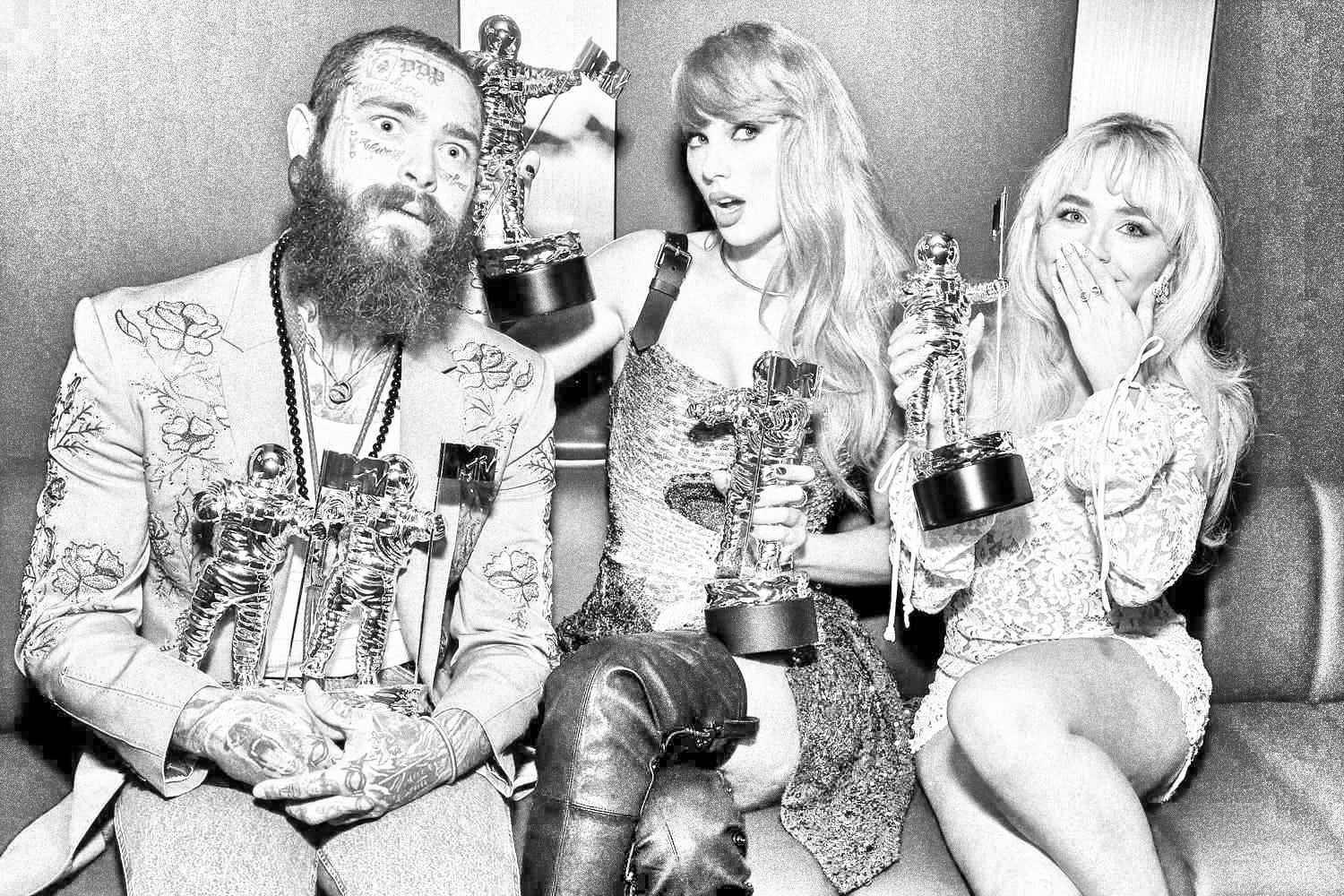
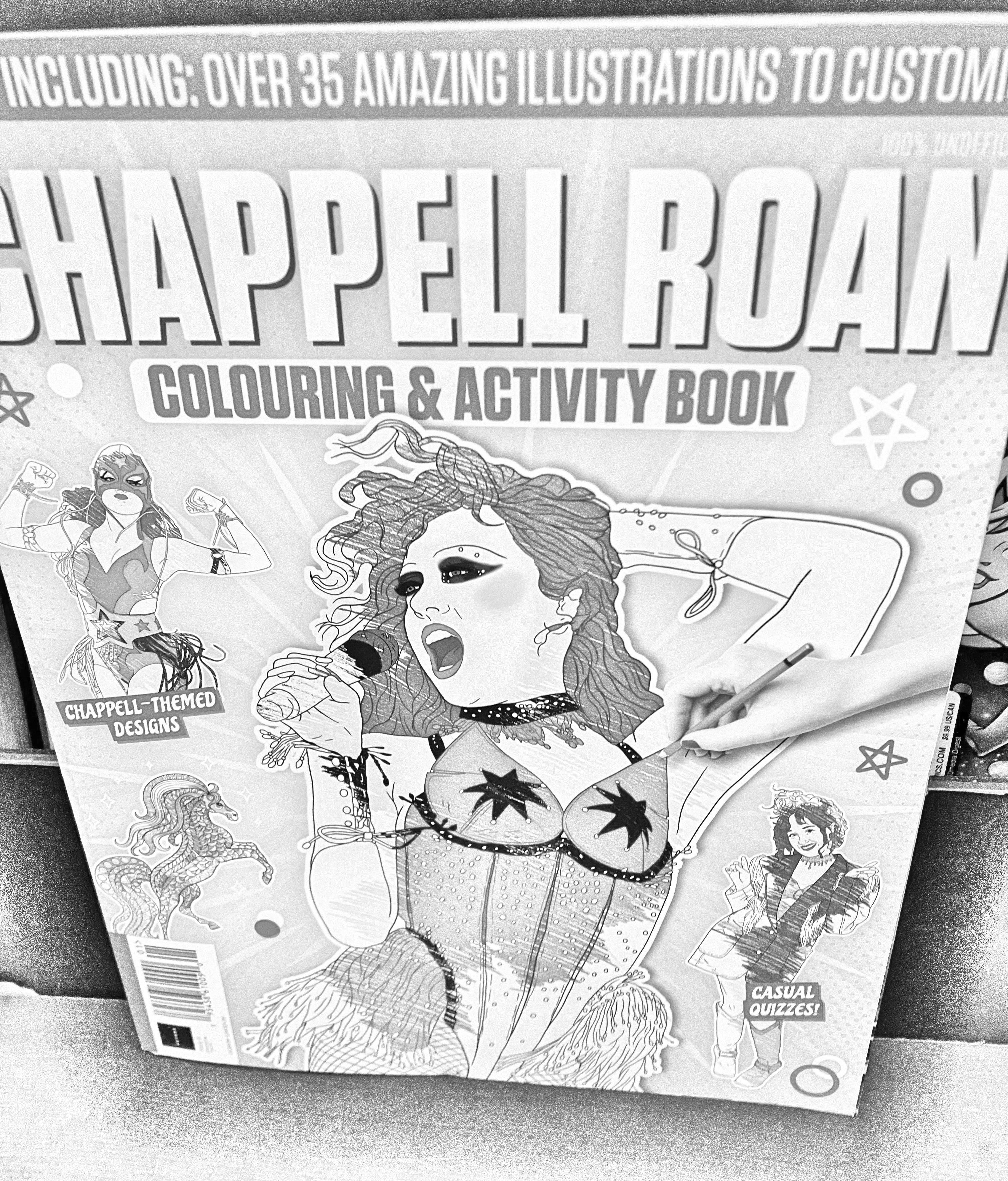
Last year, metaphorically speaking, UMG fired basically every single big gun in their arsenal. Within the first six months of the year, they dropped Ariana Grande’s Eternal Sunshine, Taylor Swift’s The Tortured Poets Department, and Hit Me Hard and Soft by Billie Eilish, as well as massive singles by Sabrina Carpenter, Post Malone, and Shaboozey. Chappell Roan’s Rise and Fall of a Midwest Princess also unexpectedly exploded into the mainstream after having been released to modest enthusiasm the previous autumn. She went from being the type of pop artists that music writers think should be bigger to being so massive that they sell coloring books of her at Target almost overnight.
While all of that was happening, Drake and Kendrick Lamar also took their long-simmering feud public with a series of alternating disses and responses. The beef compelled UMG’s two most high-profile rappers to start regularly releasing music despite the fact that neither of them had an album out. It even produced a massive chart hit in the form of Lamar’s “Not Like Us” and helped propel albums by J. Cole and Metro Boomin to heights they may not otherwise have reached.
The relative lack of big releases we saw from UMG this year just underscores how overwhelmingly dense the schedule was last year. Prior to the release of Taylor Swift’s The Life of a Showgirl, the biggest story was the K-Pop Demon Hunters soundtrack, which was an unexpected success: the studio that produced the film sold it to Netflix on the basis of their fear that it wouldn’t perform well theatrically. No one expected it to do as well as it did. This year’s calendar could have looked even more barren than it already does, which suggests that the crowded nature of last year’s schedule might have been intentional. After the severe dips that UMG’s stock price experienced in twenty twenty-three, maybe they went into twenty twenty-four feeling like they had something to prove.
If making big gains in the market was the goal, it worked, at first. The stock reached an all-time high in May, just as Drake and Lamar’s feud reached an epic climax with the release of “Not Like Us.” Then, in July, it experienced a massive crash, instantly erasing all of the gains of the past year. The sell-off was triggered by an earnings call where UMG reported slower than expected subscriber growth and ad revenue on streaming platforms, prompting investors to worry that the music streaming business had reached a plateau. If UMG wasn’t going to be able to deliver more growth, investors reasoned that they were better off putting their money somewhere else, like the booming AI sector.
The crash didn’t tell Ackman anything he didn’t already know. By then, he had already been looking for a way out from underneath the crushing weight of UMG’s mediocre performance for years. In fact, a week before the fateful earnings call that triggered the sell-off, he found the Trump card he was looking for.
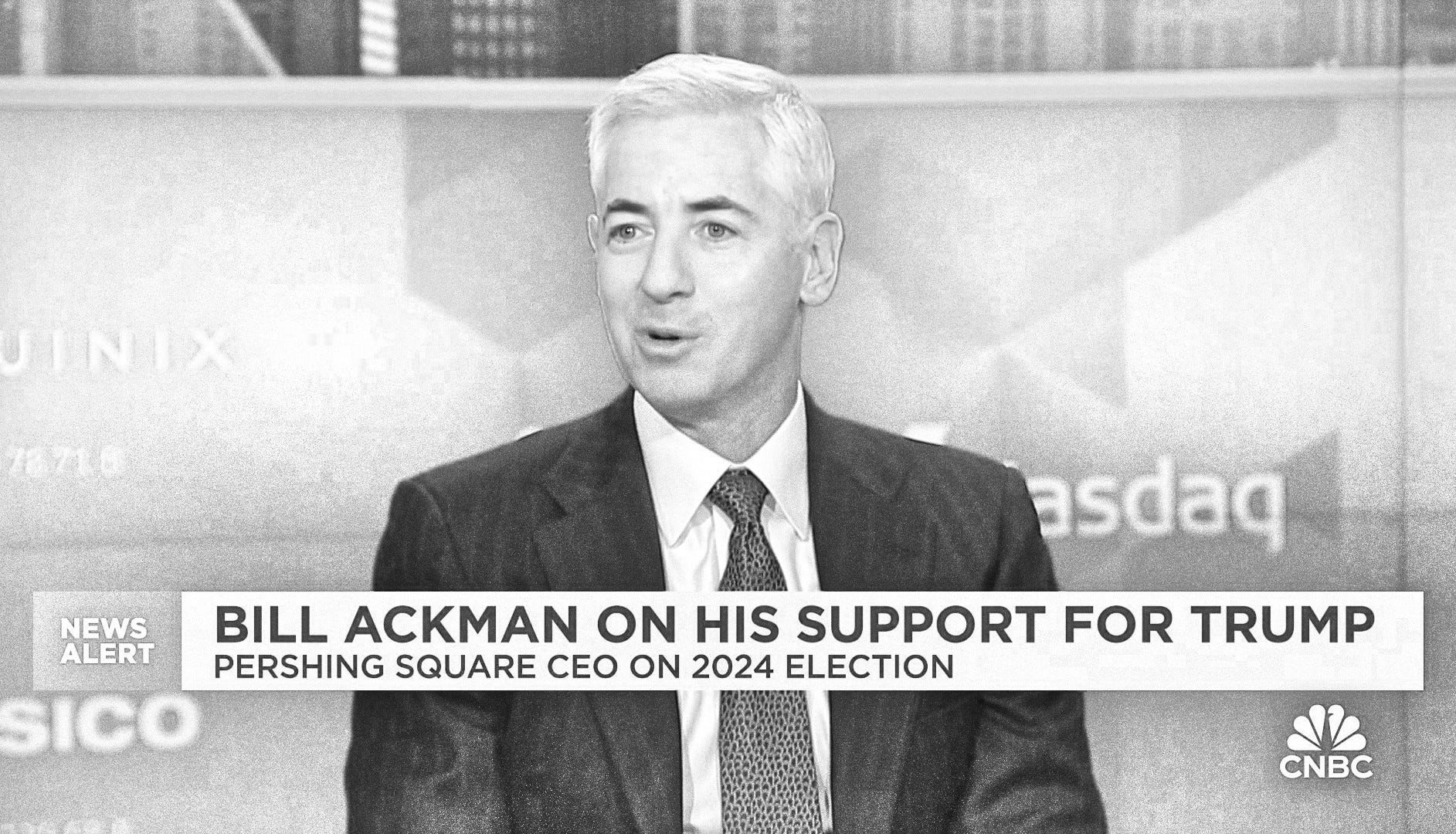
Bill Ackman was not the only billionaire to endorse Donald Trump in the wake of the failed assassination attempt in Butler, Pennsylvania on July thirteenth of last year. Reporting from Semafor’s Ben Smith, for example, suggests that a “stunning realignment towards Donald Trump” among Silicon Valley elites that was “shaped and negotiated” in back-channel group chats like the ones Ackman joined forces with to pressure Eric Adams into sending the NYPD after student protesters at Columbia University. Trump’s election was a boon for many of those elites, some of whom assumed positions of influence within the executive branch itself, and it was also a boon for Ackman.
During the global financial crisis in two thousand eight, it became necessary for the federal government to take over the Federal National Mortgage Association (“Fannie Mae”) and the Federal Home Loan Mortgage Corporation (“Freddie Mac”) because they had guaranteed too many bad loans. The two companies have been under a conservatorship ever since. Pershing Square started acquiring shares in Fannie Mae and Freddie Mac back in twenty thirteen, but they aggressively stepped up their position in twenty twenty-one, as Ackman’s SPAC was falling apart. When Trump took office earlier this year, these shares exploded in value on the basis of investors’ hopes that he might take Fannie Mae and Freddie Mac private. As I write this, Trump has just now signalled his intent to do exactly this by the end of the year.
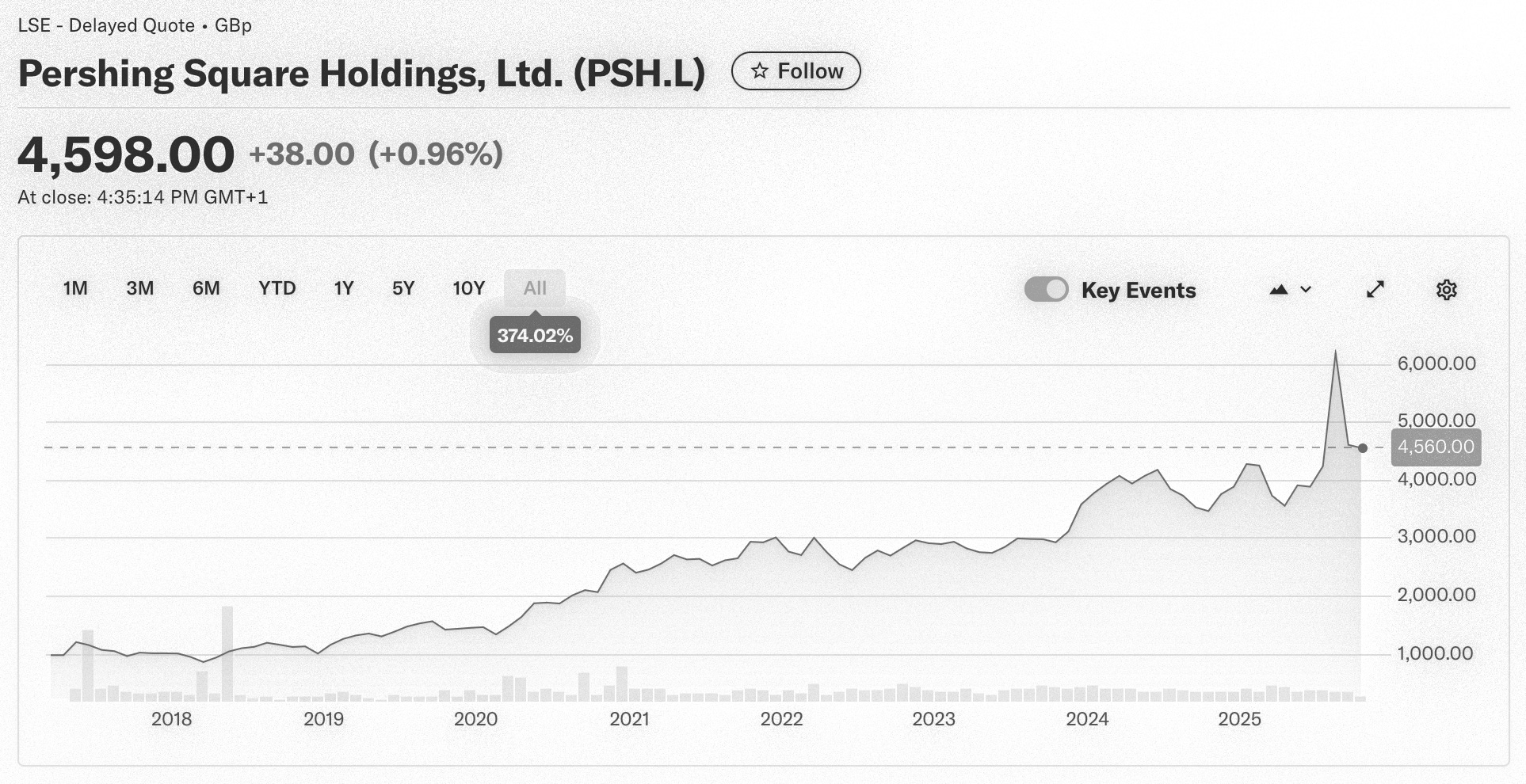
Pershing Square shares are now trading at an all-time high. Ackman’s investors have never seen such big returns, and Ackman himself as never been as wealthy as he is right now. His rightward pivot is paying literal dividends. He is now operating from such a position of strength that he has been able to start playing hardball with UMG, trimming down the size of his position by a quarter and resigning from the board when the label group pushed back on his request that they list shares on the New York Stock Exchange rather than the Amsterdam-based Euronext Exchange they currently use.
Last November, Ackman claimed on Twitter that he wanted UMG to pull out of the Euronext exchange because of antisemitism, citing an incident where five Israeli football fans were injured in a stadium brawl at a Europa League game. UMG was wise to be wary of this explanation, though. A switch from the Euronext Exchange to the NYSE might generate another IPO boost, which would be the perfect opportunity for Ackman to sell off his shares at a premium and finally be rid of the albatross around his neck. After Trump took office and Pershing Square started blowing up, though, Ackman trimmed his position anyway, making it clear that UMG no longer had the leverage it would need to defy him. A filing from this summer suggests that UMG is ultimately going to follow Ackman’s orders and switch to the NYSE.
Bill Ackman might not own as much of UMG as he did last year, but the company remains Pershing Square’s largest position, and their NYSE filing indicates his influence over them remains considerable. It’s possible that he has already used this influence to conscript every single UMG artist in a coordinated pressure campaign against TikTok that served primarily to put control of the platform’s US operations in Israeli hands. What else might he do with it? Especially now that the executive branch under President Trump has become one of his primary benefactors?
Really good X-ray of cultural manipulation, thank you.
This is brilliant! Thank you @swiftiesagainstgenocide